


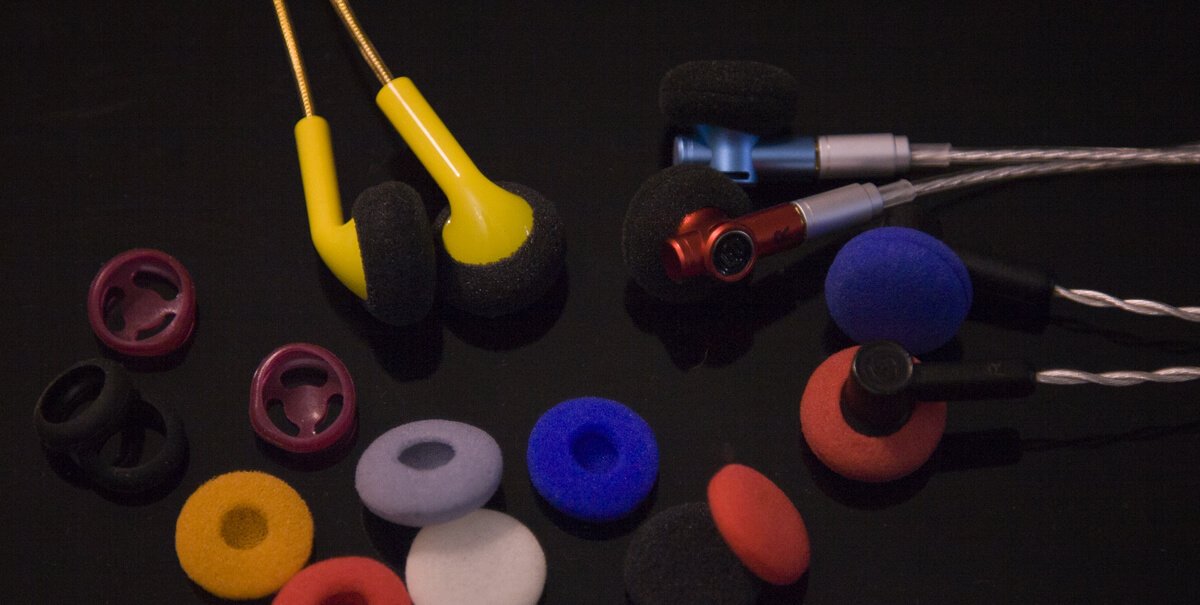
Flathead earbuds are very sensitive to fit, just like the IEMs. To get the sound right, you need to have a perfect seal. A bad fit will affect bass, treble smoothness, staging, and imaging. That’s why two people can listen to the same model and describe it completely differently — because position and leakage change the tuning more than you’d expect.

Why fit is so personal: ears and earbuds vary
There’s no universal “correct fit”. Everyone’s outer ear shape is different (concha depth, folds, and contact points), so the same earbud can sit at a different angle and depth from person to person. That’s why one listener hears “warm and bassy” while another hears “thin and bright”.
Size matters…
Earbud shells also aren’t all the same size. Many modern flatheads use large dynamic drivers (commonly 14.2 mm, 14.8 mm, and 15.4 mm), and larger drivers often come with a larger housing footprint. Even small changes in shell diameter and thickness can affect comfort, stability, and sound signature.

Some smaller earbuds, which are worth attention, would be TimeEar TEA-99, TimeEar NH60, Dunu Alpha 3, FiiO FF3s, Venture Electronics SMG or DQSM Audio Z&W Pandas if you would like to try the PK shells.
However, sometimes those size rules get broken by clever ergonomic designs. For example, RikuBuds earbuds get praised for comfort despite being based on larger 15.4mm drivers.
Wearing flatheads over-ear style

Personally, I don’t like this method, but some people prefer wearing flathead earbuds the same way as IEMs — over the ear. In fact, some flatheads are designed to be worn this way for improved stability and comfort. For instance, the Penon Conductor. The RW series earbuds by Yincrow are also said to be more comfortable when worn over-ear.
To get the most out of this method, a suitable cable should be used — ideally one designed for IEMs with built-in ear hooks.
Choosing the right foams
Flathead earbuds are not meant to be worn “naked”. There may be some rare exceptions, but that’s the general rule. That’s why each accessory pack includes them. Even if you have smaller ears, you should not automatically skip the foams just assuming that earbuds would fit better without them.Foams do three things at once:
- Increase friction → the earbud stays in the same spot
- Reduce leakage → bass and lower mids improve
- Absorb treble → peaks feel smoother (sometimes too smooth)
Foams come in two types (full foams and donut foams) and different densities. The general rule is that the thicker and denser foams are, the more treble they kill and the more bass they add. The donut foams keep more treble energy because the center is open. It’s always handy to have some different foams and try what works best with each of your earphones.
Some recommended foam covers from Aliexpress:


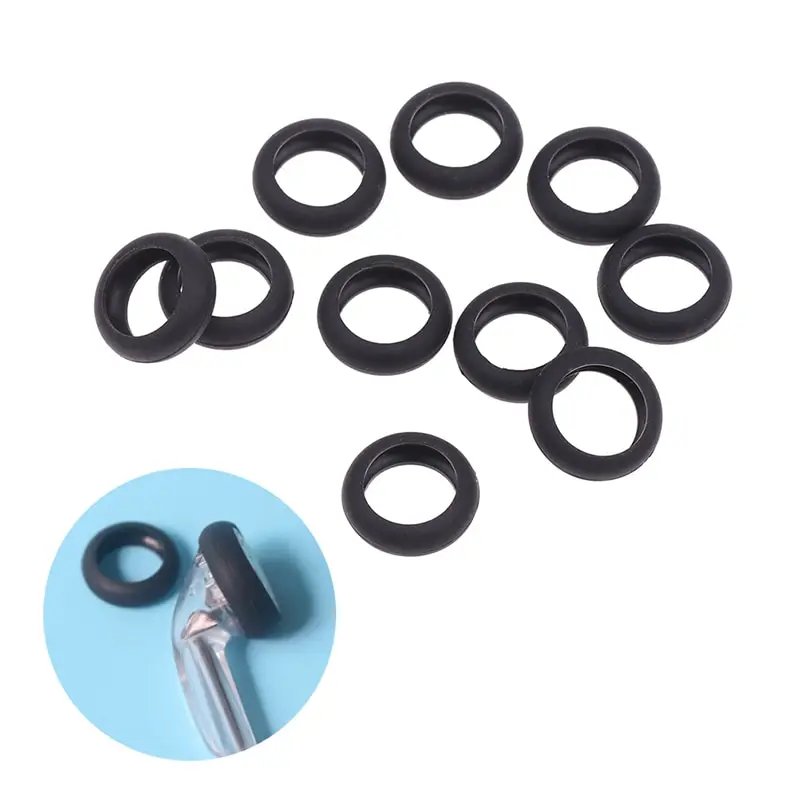
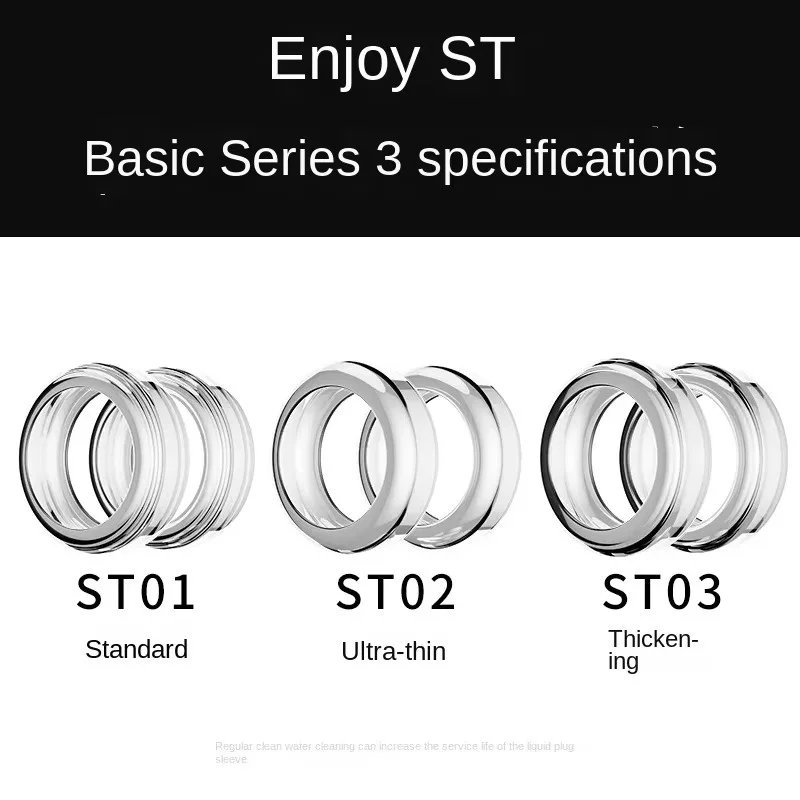
Silicone / rubber rings
Simple silicone/rubber rings (often sold as “earbud rings”) are one of the most underrated fit upgrades. If you keep re-adjusting your earbuds while walking, or they sound great only when you press them in with your finger, that’s a strong sign rings could solve the issue.
Rings increase the effective diameter of the earbud, helping it “lock in” more securely. This reduces the micro-movements that make bass come and go. They can also slightly reduce perceived brightness by changing the angle and reducing leakage.
When choosing rings, pay attention to how wide they are. Some wider rings (for example, the NICEHCK rings on AliExpress) can partially block vent holes if your earbuds have vents close to the faceplate.
Recommended earbud rings:

Weight also matters
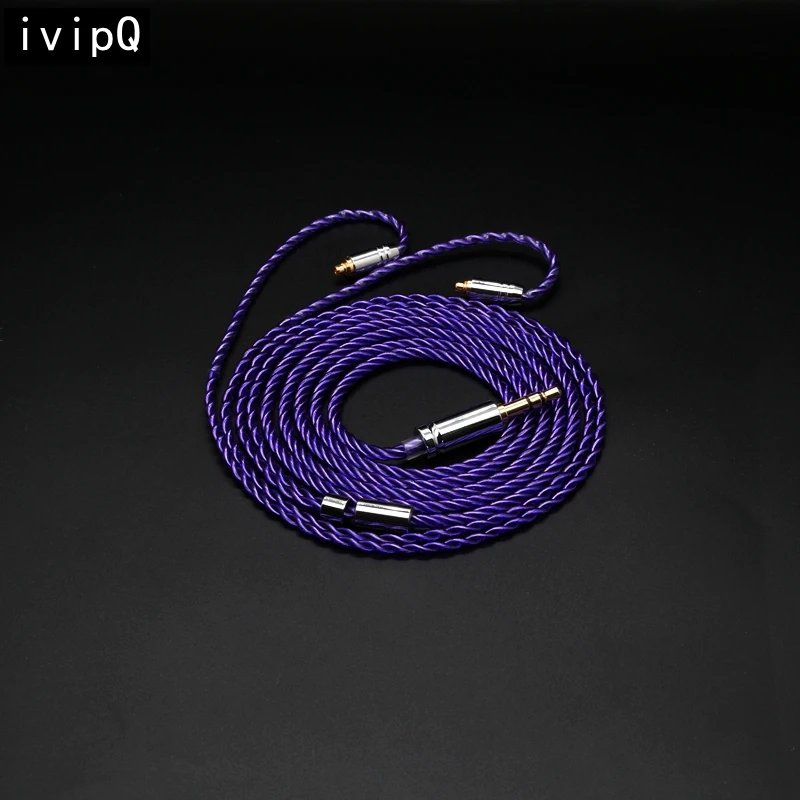
Lighter earbuds and flexible lightweight flexible cables put less pull on your ears, so the fit stays consistent. Heavier metal shells and thick cables can feel premium, but they may reduce comfort over long sessions. It’s even more noticeable on detachable-cable earbuds (MMCX in particular) because the connector and plug add mass right at the earbud and often make the cable stiffer. If the fit becomes unstable, switch to a lighter, softer cable, or at least use a shirt clip to eliminate tugging.
Some recommended personally tested audio cables:



Stay connected